
Medical Ozone Generators: Technology, Safety and Clinical Practice

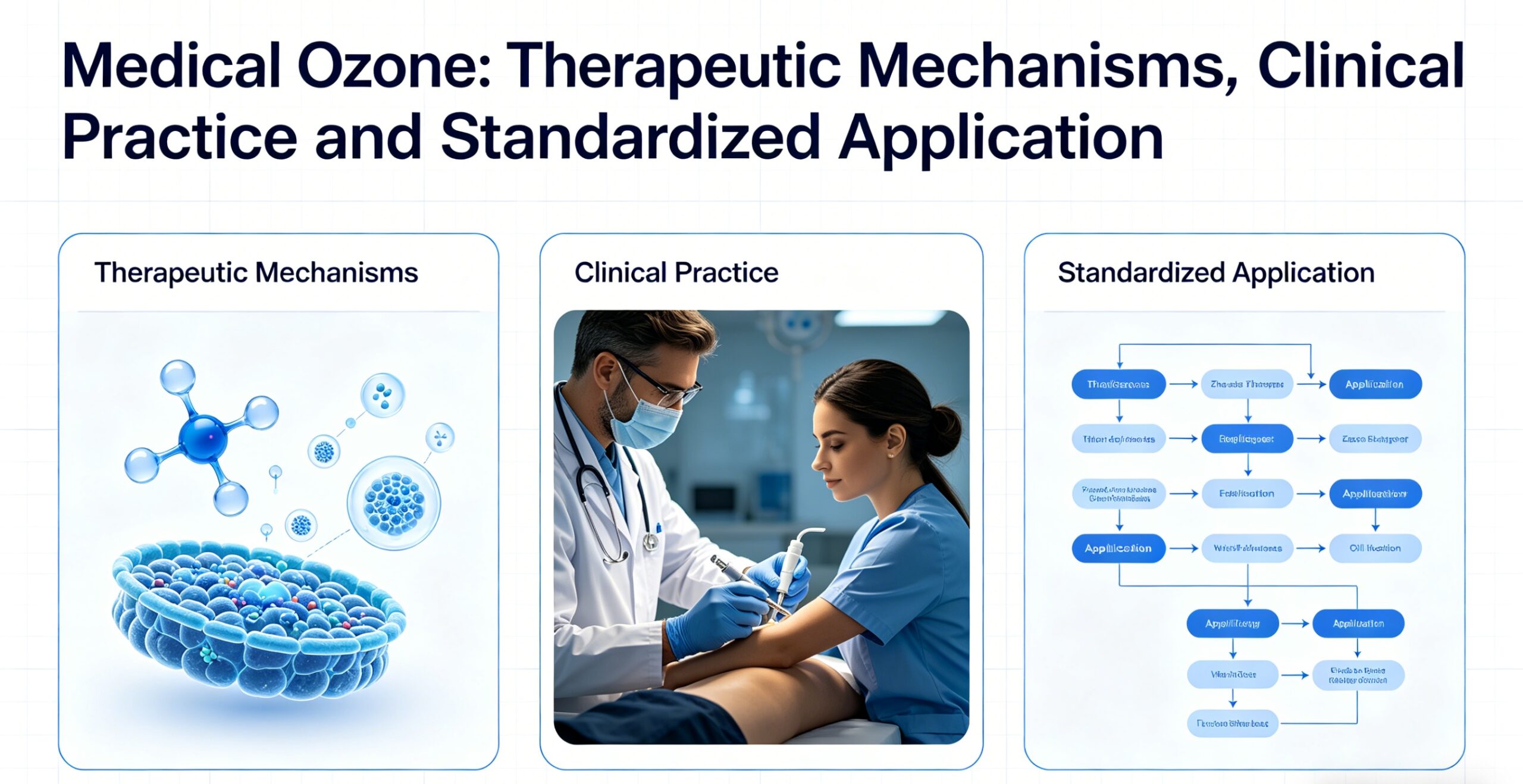
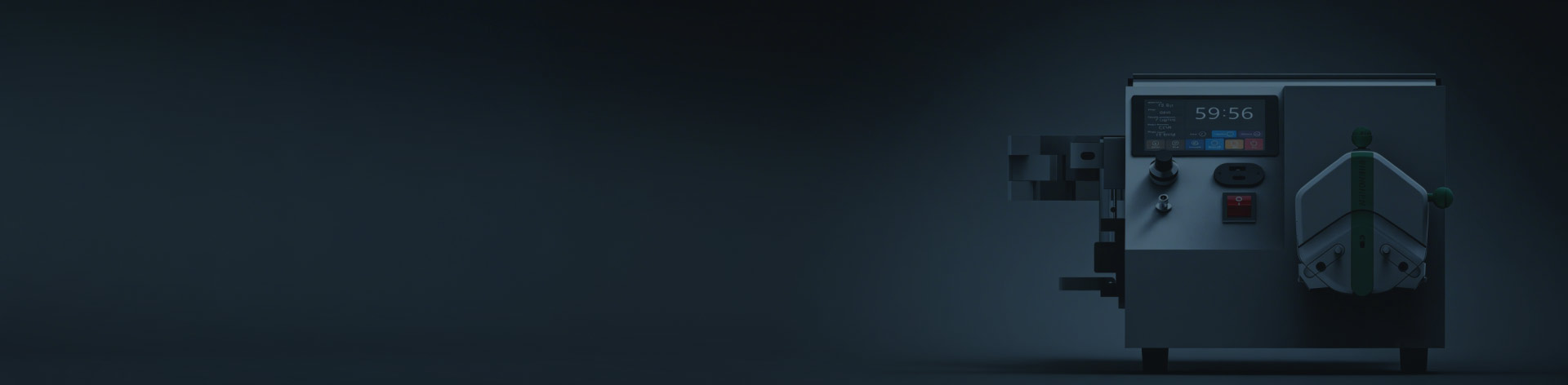
Medical Ozone Generators: Principles of Operation, Main Features, and Areas of Application A medical ozone generator is a professional Class II medical device that generates high-purity ozone / oxygen mixtures for standard ozone therapy and clinical surface disinfection procedures. Unlike industrial generators, they conform to stringent medical safety standards, ensuring the generation of precise, stable, and impurity-free ozone for safe human use in a clinical setting. Principles of Operation of Medical Ozone Generators Most medical ozone generators use corona discharge technology with medical-grade quartz tubes and titanium electrodes. This is the safest and most reliable method for generating ozone for clinical settings. Medical oxygen is converted into ozone through the work of high-frequency (30 kHz) high-voltage energy that causes pure medical oxygen molecules to dissociate into individual atoms and then recombine with other oxygen atoms to create ozone. Some advanced models are also equipped with photometric concentration meters and automatic pressure compensation systems. These systems allow for real-time concentration calibration and stable gas output and eliminate concentration fluctuations due to changes in temperature or pressure of the surrounding environment. Key Technical Features of Medical Ozone Generators Medical ozone generators provide a very high degree of precision, safety, and stability compared to civilian and industrial ozone generators. The following is a list of important attributes of medical ozone generators: – Adjustable Ozone Concentration: Selectable ozone concentration (0.5 mg/L – 80 mg/L, +/‐ 1 mg/L) covers all mainstream clinical protocols for ozone therapy; – Oxygen Feed to Generate Ozone-Ozone Mixture: A pure oxygen feed eliminates nitrogen dioxide (a common contaminant), thus ensuring that the ozone produced is pharmacologically pure, i.e., medical – grade gases are produced; – Intelligent Overheat & Overpressure Safety Protection Features: The ozone generator has built-in overpressure, overheating, and standby operation protection for the equipment, and for the surrounding area, as well as residual ozone decomposition safety feature to prevent ozone leaks and other equipment errors; – Built-in Long-Lasting Medical-Grade Reaction Tubes: The high-quality quartz reaction tubes have a lifetime of 10,000 hours of continuous operation, making them suitable for long-term clinical use; – Two Operating Modes: Medical ozone generators can provide output in either syringe or continuous mode for local and systemic clinical treatment of patients. Areas of Clinical Application Medical ozone generators are being used in many clinics because of the bactericidal, anti-inflammatory, immune-modulating (regulating) and microcirculation-boosting properties of ozone. Ozone generators in clinics are used in the following areas: – Rehabilitation and Pain Management: Treatment of inflammatory and degenerative joint conditions and chronic painful conditions by stimulating local blood flow and reducing inflammation; – Dermatological Treatment of Skin Diseases: Elimination of fungal and wound infection(s) and enhanced healing of non-healing skin ulcers through broad-spectrum sterilization and tissue repair; – Gynecological and Digestive Therapy: Use of ozone gas and/or water to treat mucosal inflammation and superficial infectious lesions. – Clinical Surface Disinfection: Medical ozone generators are used to provide sterile disinfection for surfaces in the clinical setting, and to provide auxiliary air purification in clinical rooms. Safety and Use Information Ozone is an extremely strong oxidizing agent; therefore, ozone generators must be operated by medical professionals trained in accordance with clinical guidelines. Proper operation includes configuring the parameter settings according to patient condition; the patient should be assured adequate ventilation during operation of the generator; and no arbitrary adjustment of parameters should be tolerated during operation of any medical ozone generator (the only exception being professional medical personnel). Devices certified as being medical grade can provide clean, safe medical devices for use in a clinical setting. Conclusion As the principal equipment used in the practice of modern ozone therapy, ozone generators will be used to standardize, make the treatment of patients with clinical ozone safe and efficient, provide precise output of ozone, and provide intelligent safety controls. With the increase in minimally invasive medicine, and the need for high-precision medical ozone generators, ozone generators have become essential medical equipment for all inpatient and out-patient hospitals, and all rehabilitation centres as a reliable, non-invasive supportive (adjunct) therapy for patients.
Virtual titles offer users a exciting avenue to unite and compete with gamers internationally.
https://rosmet-nn.ru/full/spieleanbieter-vielfalt-die-besten-slots-und-tischspiele-bei-superbet-749/
На данном сайте вы сможете отыскать важную информацию.
https://brunet-ka.ru/
Здесь ресурсе вы сможете обнаружить много нужной сведений.
https://disqus.com/by/disqus_7l4hFOIE6z/about/
Digital adventures deliver users an amazing method to unite and play with fellow players internationally.
https://paradigma.media/online-casinos-for-mr-cashman-slots-real-money-best-casino/
На данном ресурсе удастся почерпнуть полезную информацию.
https://schoolido.lu/user/IvanGorin2026/
Здесь ресурсе можно найти полезную информацию.
https://for-el.ru/doc/1136-security-measures-and-data-protection-in-pokie-mate-online-casino.html
На этом веб-сайте удастся отыскать нужную информацию.
https://blagort.ru
Тут ресурсе вы сможете получить интересную информацию.
https://rosotels.ru/detail/2026-07-08-bonuses-and-promotions-a-deep-dive-into-beepbeep-casino-s-reward-system.htm
Тут портале есть шанс найти важную информацию.
https://palmertek.ru/
Тут сайте удастся найти нужную информацию.
https://tltrock.ru/material/2026-07-22-vecherniy-proboy-na-pryazhinskom-shosse-ogranicheniya-iz-za-zheleznodorozhnykh-rabot.html
Здесь сайте вы сможете почерпнуть нужную информацию.
https://techblog.omskdaily.ru/rbMH5esImT9h/