

Therapeutic Principles and Practical Value of Ozone Major Autohemotherapy

Ozone Major Autohemotherapy: Mechanism & Clinical Use
ABSTRACT: Ozone Major Autohemotherapy (OMAH), or major ozonated autohemotherapy, is a standardised non-pharmacological oxygen and ozone adjuvant treatment; using extraction of an agreed volume of venous blood from a patient, then mixing the blood with a medically rated ozone/oxygen gas mixture at a specified concentration in a sterile manner, and returning the ozonated autologous blood to the venous circulation of the patient, for regulating the physiological and pathological systemically.
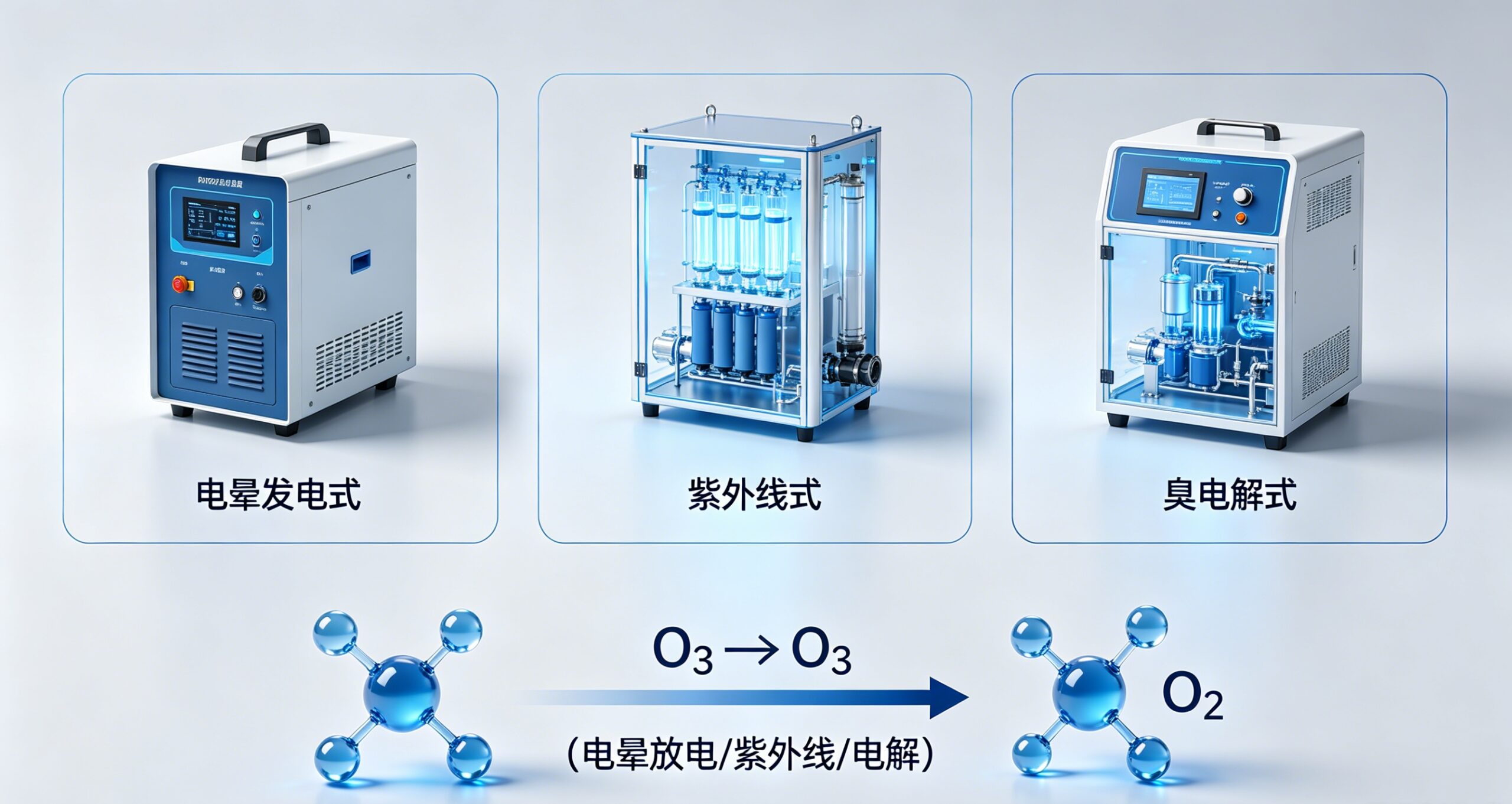
- CORE OPERATIONAL STANDARD
In contrast to minor ozone autohemotherapy, OMAH is delivered through high-volume autologous blood intervention (100-200 mL/blood collection/stage), using controllable ozone concentration (0-80 mg/L, safe maximum clinical concentration 100-110 mg/L). The blood and gas mixture is thoroughly homogenized for 3-5 minutes, prior to intravenous reinfusion, to guarantee stable chemical reaction between ozone and the blood constituents. - THERAPEUTIC MECHANISM
Through generating mild, controlled oxidative-stress response, OMAH has systemic regulatory effects. First, OMAH reacts with the polyunsaturated fatty acids in plasma, generating moderate levels of reactive oxygen species (ROS) and hydrogen peroxide (H2O2) and up-regulating intracellular antioxidant systems to support the body’s oxidative-stress equilibrium. Second, OMAH effects change in blood rheological properties via a reduction in blood viscosity, enhancing the deformability of erythrocytes and promoting micro-circulatory perfusion. Third, OMAH regulates immune-cell activity, stimulates secretion of immune-active substances, and facilitates bidirectional immune regulation as well as anti-inflammatory and metabolic regulation. - CLINICAL INDICATIONS
OMAH has been successfully used in diverse clinical-specialties as a mature adjuvant therapy. Examples of clinical conditions for which OMAH has provided successful adjunct treatment include chronic circulatory disease, metabolic disease process, chronic inflammatory and immune-mediated diseases, and sub-health modes of presentations, such as chronic fatigue and sleep disturbances. OMAH will benefit in modulating tissue hypoxia and decreasing chronic inflammatory responses along with optimising internal environmental homeostasis. - SAFETY AND CONTRAINDICATIONS
Through the use of a systematic, low-anaesthesia technique with minimally traumatic, standardized technique of OMAH; safety is optimally supported by the strict sterile technique and individualized ozone concentration matched to the individual patient. Absolute contraindications of OMAH include severe coagulation dysfunction, acute haemorrhagic illnesses, severe anaemia, allergy to ozone, and acute critical illness. Relative contraindications of OMAH include pregnancy, lactation, and unstable CVD, and will require working before the OMAH can be performed. - CONCLUSION
Ozone Major Autohemotherapy is a systematic, physical-intervention technology with defined biochemical mechanisms. The standardised clinical use of OMAH leads to enhanced microcirculation, improvements in oxidation/antioxidation balance, and up-regulation of immune function. OMAH provides an effective adjunct treatment for chronic & sub-health conditions; OMAH has a large clinical use potential, when standardisation and patient screening is performed.
Здесь веб-сайте вы сможете найти интересную информацию.
https://cryptogsm.ru/token/126-bezzakonie-na-urale-ischeznovenie-yurista-ubiytsy-povislo-v-vozdukhe/
Здесь портале удастся обнаружить нужную информацию.
https://homirussia.ru/cozy/664-kak-rabotayut-bonusnye-predlozheniya-v-onlayn-kazino-ot-veydzhera-do-besplatnykh-vrashcheniy.html
На этом портале удастся отыскать нужную информацию.
https://rfsneakers.ru/feet/1995-kannskiy-parad-kto-nadel-chto-i-zachem-eto-voobshche-nuzhno/
Здесь веб-сайте есть шанс почерпнуть ценную информацию.
https://greencape.ru/travel/2026-06-28-the-psychology-behind-slot-machine-design-and-player-engagement/
Здесь веб-сайте удастся отыскать интересную информацию.
https://graph.org/RandX-kogda-hochetsya-ostrogo-a-ne-predskazuemogo-06-30
Тут портале можно найти интересную информацию.
https://e-transavto.ru/read/toplivnyy-khaos-90-kh-vospominaniya-gubernatora-o-limitakh-talonakh-i-vzaimovyruchke-488/
Здесь веб-сайте можно обнаружить важную информацию.
https://kadastrovyj.ru/
Тут ресурсе удастся почерпнуть нужную информацию.
https://online-festival.ru/detail/3813-chtenie-prodlevaet-zhizn-pochemu-knigi-stanovyatsya-eliksirom-dolgoletiya.html
На данном ресурсе можно почерпнуть полезную информацию.
https://n5.sneakero.ru/BUcGRgRzrbF2/
Тут портале можно получить полезную информацию.
https://moneywise.modavgorode.ru/gBBnaTiTSIdJ/
Здесь сайте можно отыскать интересную информацию.
https://bookmarks.balmain1.ru/3FG54UGf3d2A/
Тут сайте есть шанс отыскать важную информацию.
https://spacefan.breakmoda.ru/0tyYhJ5s0TEr/
На данном портале есть шанс почерпнуть важную информацию.
https://nashipesni.ru/pub/2026-06-02-pochemu-peregovory-rossii-i-ssha-zashli-v-stazis-ne-tolko-iranskiy-konflikt-no-i-kharakter-trampa/
На этом же интернет-портале легко отыскать большое количество ценных сведений.
https://businessman.fashionvipclub.ru/J4aPm77hrC01/