

An Overview of Ozone Intravenous Injection: Efficacy, Treatment Protocols and Safety Guidelines

The ozone IV injection procedure is a form of intravenous ozone therapy, which is somewhat similar to other types of oxidative therapies in that it is complementary to traditional medicine. Ozone IV injections utilize a combination of ozone and oxygen mixed together to create the ideal conditions for the patient’s blood to absorb these two gases into their bloodstream and ultimately add calories to their calorie count. The most effective way to deliver ozone IV injections is called major autohemotherapy (MAH) in which the patient’s blood is taken (usually 150-200 ml for a standard MAH treatment), mixed with ozone gas at an amount that meets the individualized protocols for that patient, and then reinfused back into the body. Ozone IV injections rely upon oxidizing the body’s cells enough to trigger the body’s natural healing and defense mechanisms. Infusing the ozonated blood into the patient allows the cells to have a greater ability to use the oxygen in the ozonated blood, to produce more vital antioxidant enzymes such as superoxide dismutase (SOD) and glutathione, and to neutralize excess free radicals which cause chronic oxidative stress in the body.Ozone IV injection helps to modulate immunity, regulate pro-inflammatory and anti-inflammatory cytokine release, speed up the metabolism of metabolic waste and toxins, and assists with systemic detoxification and tissue revitalization.
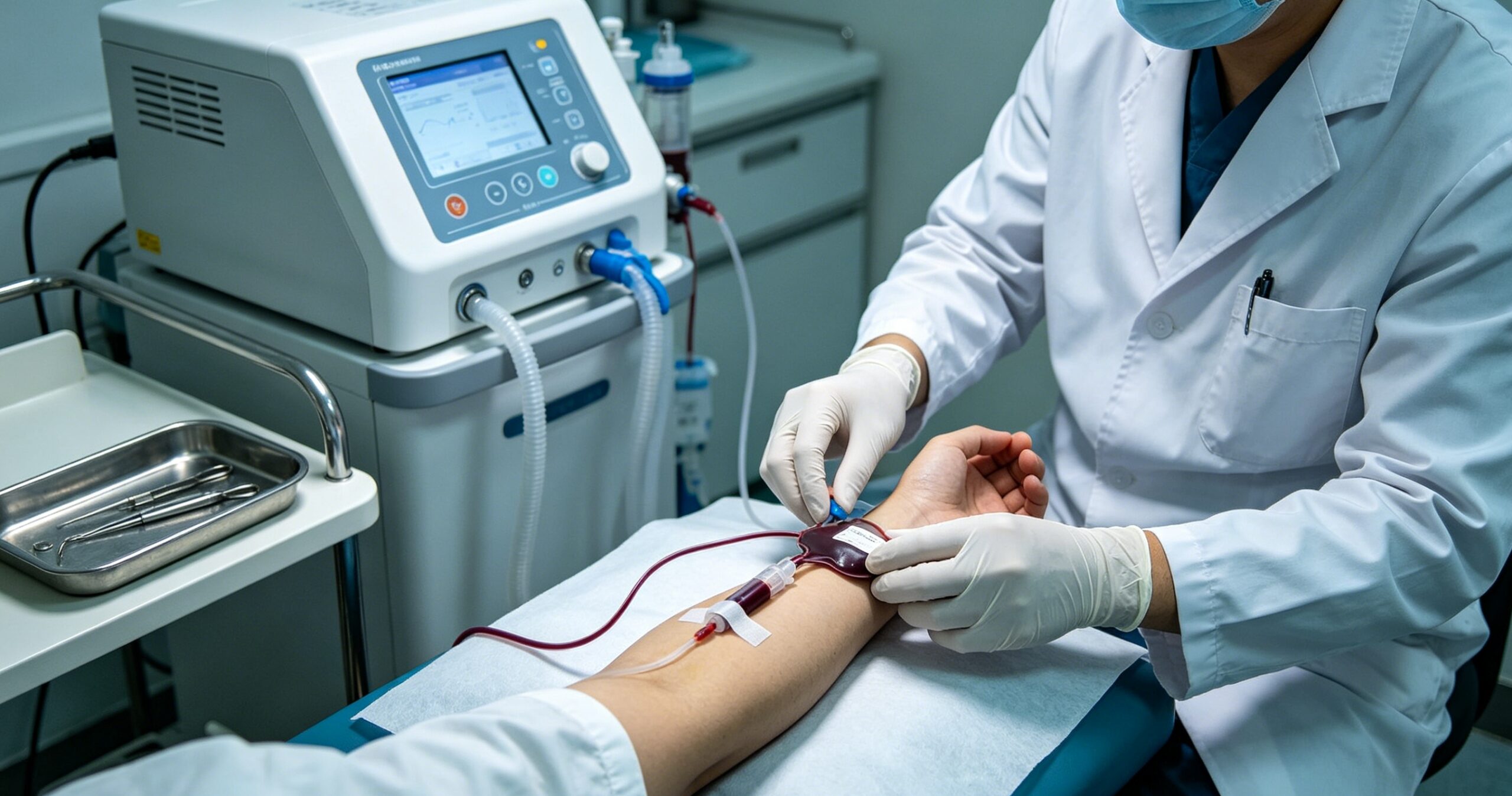
Ozone IV injection treatment protocols are clinically standardized and involve a number of different treatment modalities that can be applied to meet the diverse health needs of patients. Conventional single-pass major autohemotherapy (MAH) involves one complete cycle (blood extraction, ozonation, reinjection) that typically takes place within a 45- to 60-minute period and is suited for patients seeking daily wellness support and/or moderate health-related problems. An ozone IV injection protocol commonly used in patients with chronic health problems is an ozone major autohemotherapy (MAH) protocol, which consists of an ozonated blood infusion cycle that is repeated as many as 10 times (up to 10 cycles), in a single 60- to 90-minute treatment session, thus providing a higher therapeutic dose than a standard MAH and exporting more systemic effects on the body than ever before. The ozone IV injection protocol may also be optimized through the use of extracorporeal blood oxygenation and ozonation (EBOO), which allows for continuous filtration and ozonation of as many as three liters of blood in a single session of treatment, providing invaluable treatment benefits for patients with chronic severe inflammatory disorders and intractable metabolic disease states.
Ozone IV injection has been used as an adjunctive, functional, integrative medicine therapy for wellness improvement, and may be utilized in multiple areas of integrative medicine. Ozone IV injection is used to support chronic fatigue syndrome, support patients with sub-health disorders, reduce or eliminate lingering low-grade inflammatory processes, and increase tissue and whole body oxygen supply for improving metabolic processes within the body. Ozone IV injection is also frequently utilized as a complementary treatment option for treating recurrent low-grade infections, cardiovascular microcirculatory disorders, and early-stage metabolic imbalances. Many patients elect to undergo ozone IV injection therapy on a regularly scheduled basis for purposes of supporting their anti-aging efforts, due to the antioxidant and tissue regenerative nature of ozone IV injection therapy, which delays the senescence of cells and overall vitality of physiologic systems within the body.
The use of ozone IV injection therapy has specific safety standards and standardized procedures for the provision of qualified ozone IV injection therapy. All ozone IV injections performed in the clinical setting must utilize professional medical grade ozone generation devices equipped with real-time monitoring methods for ozone concentration within the ozone generator, and by extension the ozone IV injection. All ozone IV injection devices and apparatus must consist of ozone-resistant sterile materials, and blood processed for ozone IV injections must use standardized techniques for anticoagulation of whole blood, to ensure both the sterility and stability of the ozone IV injection treatment delivered to patients. Practitioners performing ozone IV injection therapy must obtain training from a qualified ozone therapy training program to determine the amount and number of treatments an individual patient may require based on the patient’s age, overall health, and desired treatment outcome. The most common side effects from ozone IV injection therapy are mild and may include transient dizziness or slight fatigue that typically resolves spontaneously within a short period following the ozone IV injection treatment.
It should be emphasized that ozone IV injection therapy is additionally classified as an effective complementary alternative medicine (CAM) therapy and should not be considered as a primary therapy for the treatment of defined disease states. Ozone IV injection therapy is also not to be construed as a substitution for conventional medical treatments such as medications, surgical interventions, or evidence-based clinical therapies. Additionally, there are well-defined contraindications to the use of ozone IV injection therapy, and its use must be avoided by patients at risk for or experiencing acute bleeding disorders, patients with moderate-to-severe anemia, patients with hyperthyroidism, and pregnant women. Patients with chronic serious underlying medical disorders must obtain a professional medical evaluation prior to initiating ozone IV injection therapy to determine that there are no potential safety issues.
In conclusion, ozone IV injection therapy is a fully developed and standardized method to provide oxidative wellness and adjunctive therapies, with well-defined cellular mechanisms of action and diverse array of protocols for treatment of patients. When ozone IV injection therapy is provided by a certified medical practitioner and delivered according to established protocols, ozone IV injection therapy has been shown as an effective means to improve oxygen metabolism; modulate immunity; resist the effects of oxidation; promote detoxification; and be a primary means of intervention within the modern functional and integrative medicine environments for chronic health regulation, and to assist with daily wellness maintenance efforts of patients.