

Medical Ozone: Biological Mechanisms, Clinical Applications and Standardized Safe Administration

Medical Ozone: Mechanisms, Clinical Applications, Safety and Standardized Usage
Medical ozone is defined as a type of ozone (O₃) that has undergone a production process in accordance with standards of purity, and therefore is now termed as medical ozone. Medial ozone, unlike the industrial ozone which contains various impurities and harmful substances, is produced strictly in accordance with all requirements concerning its purity and concentration. It has various biological effects including biological regulation, disinfecting action, and anti-inflammatory action, which makes medical ozone safe and efficient auxiliary method in many fields of medicine such as pain medicine, dermatology, gynecology, and rehabilitation medicine.
The First Aspect of Medical Ozone
Medical ozone is one of the forms of oxygen with a strong oxidizing feature. The main principle of it therapy is the opposite effect of its concentration – it is highly toxic in case of high concentration, but a low concentration ozone have a number of positive outcomes in terms of medical treatment.Additionally, medical ozone can be used to bind plasma and erythrocytes so that oxygen transport can be improved and utilized more efficiently, microcirculation optimized, tissue hypoxia alleviated and a favorable microenvironment for tissue repair and immune homeostasis provided.
- Therapeutic Effects of Medical Ozone
2.1 Wide-Network Sterilization and Anti-Infection
Medical ozone is characterized by non-specific broad-spectrum activity against bacteria, and is capable of killing common clinical pathogens, including drug-resistant bacteria, fungi, anaerobic bacteria, and enveloped viruses. It is capable of disrupting cell walls and metabolic system of microorganisms in a very short period of time and it has a minimal potential to trigger a resistance to treatment, thereby being more effective compared to traditional antibiotics in the treatment of difficult-to-heal infected wounds and superficial fungal infections.
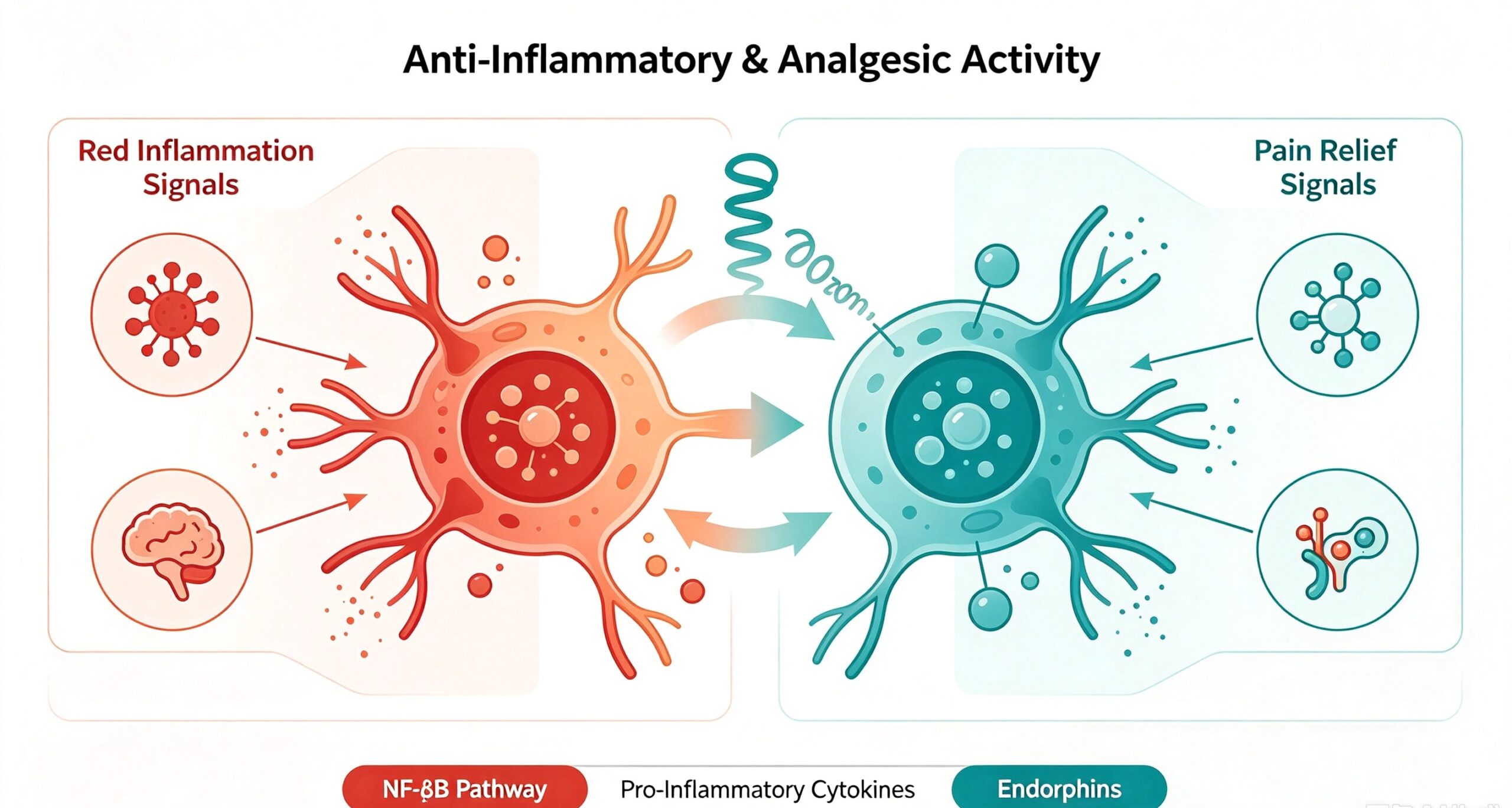
2.2 Anti-Inflammatory and Analgesic Activity
Medical ozone prevents NF-kB signaling pathway activation, decreases the quantity of pro-inflammatory cytokines released and inhibits the constant enhancement of the inflammation process in a certain area. At the same time, it activates the nerve endings which lead to the release of endorphins and enkephalins which are responsible for making the patient feel little or no pain. This explains the wide usage of medical ozone for various inflammatory pain and neuralgia diseases.
2.3 Immune and Antioxidative Activity
Controlled low concentrations of medical ozone can act through more than one mechanism to regulate immune functions, by utilizing meditative activity of immune cells and helping maintain balance of Th1/Th2 immune cells.2.4 Enhancing Microcirculation and Tissue Healing
Medical ozone dilates microvessels, decreases blood viscosity, improves the oxygen and blood supply to the hypoxic tissues, speeds up metabolism of necrotic and of inflammatory tissues and enhances the process of recovery and regeneration of the damaged tissues, skin and mucous membranes. - Primary Medical Applications
3.1 Pain Management and Rehabilitation
It is the most developed field of medical ozone usage, commonly used for cervical spondylosis, lumbar disc extrusion, osteoarthritis, rheumatoid arthritis and injuries of soft tissues. The method of local ozone injection or infiltration helps relieve nerve pinch inflammation and edema of tissues and give fast relief of pains occurring in the neck, shoulders, waist and limbs with the advantages of minimal invasiveness and quick recovery to normal state.
3.2 Dermatology and Wound Healing
It is efficient in treating persistent skin ulcerations, ulcers on the diabetic foot, infected wounds, athlete’s foot, fungal dermatitis, and eczema. Washing the wounds with ozone water and applying ozone gas can purify the exudate, kill pathogens at the surface of the wound, prevent infection of the wound and speed up the healing process.
3.3 Gynecology
Standardized ozone therapy is used in the treatment of vulvovaginal candidiasis, bacterial vaginitis, and chronic pelvic inflammatory disease. The mechanism of action of ozone is in eliminating inflammation, pathogens from mucosal tissues of vagina and pelvis, and in maintaining their ecological balance.3.4 The Role of Ozone in the Treatment of Chronic Illnesses
As a supportive therapy, it has been appropriate for chronic hepatitis, chronic circulatory disorders and sub-health condition. By enhancing blood oxygen processing and the immune system, it aids in improving metabolism of the body as well as diminishing chronic fatigue and hypoxia. - Standard Ways of Application
The efficiency of ozone therapy and safety fully rely on the concentration of ozone and its dosage as well as standardized functioning of ozone mechanisms. Too high concentration leads to damage in the tissues and mucosa, while low concentration precludes attaining therapeutic effects.
Standard routes of administration of ozone include topical ozone water bathing and dressing, local subcutaneous or joint cavity injection, rectal ozone insufflation and minor autohemotherapy. All the procedures have to undergo professional staff with proper equipment. - Safety, Contraindications and Precautions
5.1. Safety Mechanism of Ozone
Ozone therapy is considered to be quite safe for patients. Ozone is transformed into oxygen quickly without a risk of toxicity remaining in the organism. It does not create resistance in the process of treating and traumatizing healthy cells, the number of side-effects in the process of using ozone is much lower in comparison with the number of side impacts in case of traditional medicines and surgeries.
5.2. Absolute Contraindications
Patients who suffer from ozone allergy, acute hemorrhagic diseases, severe anemia, hyperthyroidism crisis, patients at the acute phase of myocardial infarction should not undergo ozone therapy because it aggravates oxidative stress and side effects from systemic origin.
5.3. Clinical Precautions
Medical ozone is a complementary therapy and cannot act as a replacement for traditional drug therapy and surgical therapy. Industrial ozone cannot be used for medical purposes. The procedures should be carried out in well-ventilated areas, where there is no risk of getting too much ozone inhaled by patients and medical staff.