

Positive Effects, Adverse Reactions and Standard Operating Norms of Ozone IV Treatment

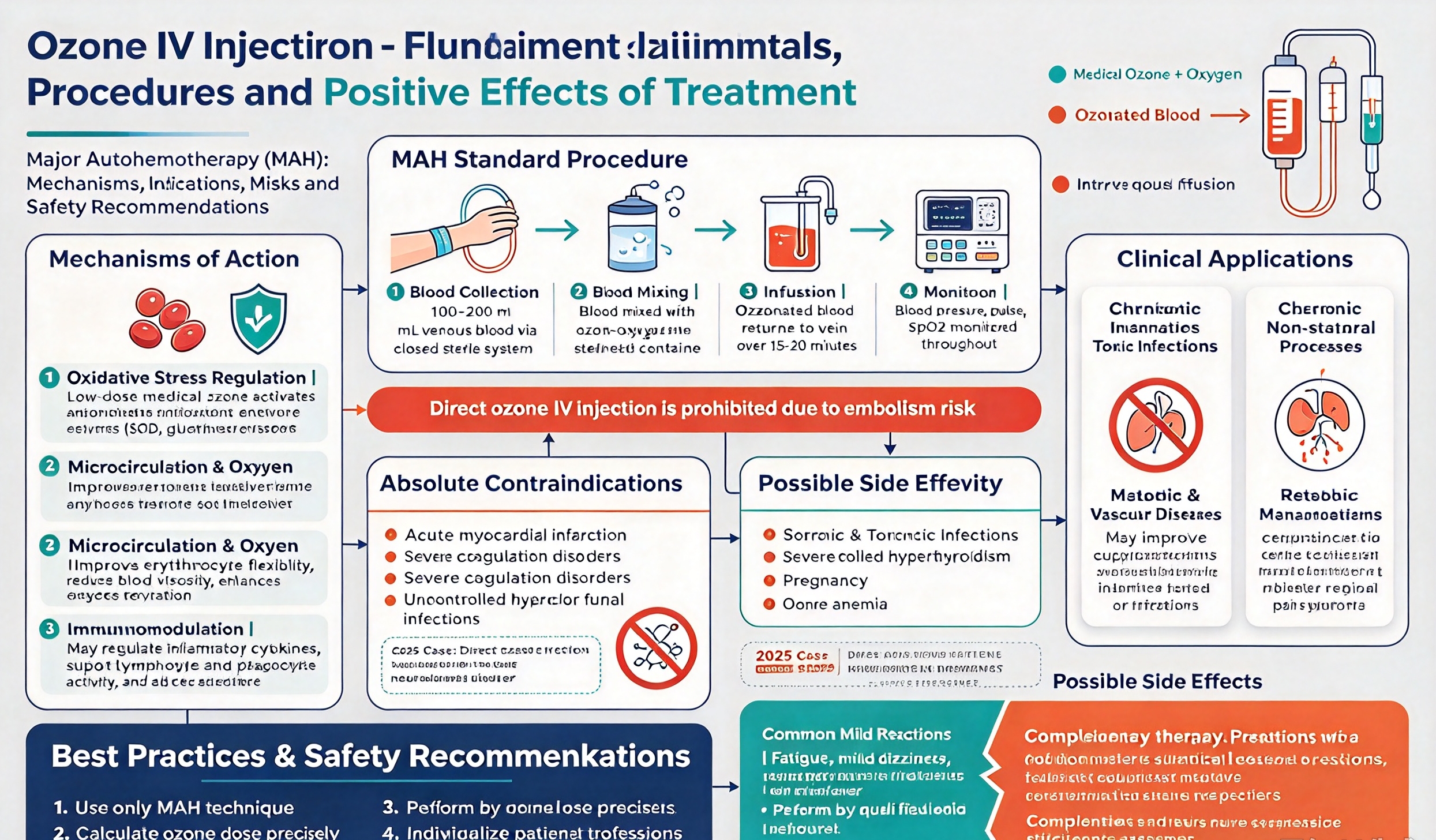
Ozone IV Injection – Fundamentals, Procedures and Positive Effects of Treatment
The technique of ozone IV injection is a complementary medical treatment that involves the usage of scientifically validated procedure. In this treatment ozone gets released into the blood, which results in the enhancement of immune system, betterment of blood circulation and petroleum plasticity. This technique is broadly used throughout the world in the field of functional medicine practiced in America and Europe countries. This paper aims to provide an explanation of ozone IV treatment, its importance and the basic principles on which it is based in treating chronic conditions, infections, metabolic issues and to present the information on its negative sides and safety measures undertaken to prevent the wrong interpretation of this treatment in society.
The ozone IV injection technique represents the treatment that combines ozone with medical oxygen. The ozone definition should specify that the ozone referred to here and the ozone used are not the same thing. Currently the only method of ozone IV injection broadly used in modern medicine is Major Autohemotherapy, which is better than all previous ozone IV techniques as the direct ozone injection is banned by the health organizations due to the possibility of embolism.The mechanisms of ozone IV therapy are mainly characterised by its ability to regulate physiological processes in human body based on the results of clinical and biochemical trials. The first mechanism is related to oxidative stress regulation and activation of antioxidant processes. The use of low doses of medical ozone works as a means of mild ozone oxidizer which activates the antioxidant system of the body and leads to increase in the quantity of enzymes which include superoxide dismutase, glutathione and catalase, thus making it possible for the organism to resist chronic oxidative stress which has huge impact on the occurrence of degenerative diseases and returning the redox balance in the body that stops such processes like lipid peroxidation and damage of DNA.
Secondly, the use of ozone leads to improvement of microcirculation and oxygen transportation in the body. Ozone is known to increase the flexibility of erythrocytes and their ability to deliver oxygen thus reducing viscosity of the blood and improving microcirculation in human body.
In addition to the above mentioned mechanism, ozone IV treatment provides immune effects. According to this mechanism, ozone regulates the immune response in the organism by either preventing the formation of the inflammatory cytokines or enhancing lymphocyte and phagocyte production thereby increasing the organism resistance to infectious agents. Ozone has the property to inhibit the action of different forms of microbes such as bacteria, protozoa and fungi. Clinical ozone functions by penetrating microbial membranes and helping the body in combating the infection in the organism. Simultaneously, ozone stimulates both detoxification in the liver and the exit of toxins from blood.
Standard Indication of Ozone IV Therapy Procedures
MAH is the name of the ozone therapy with the participation of the patient’s own blood that has to become strictly standardized to guarantee safety and efficacy in medical ozone therapy. The whole process lasts for 30-45 minutes and can be conducted exclusively by qualified persons in sterile clinical conditions.
- Blood collection: obtaining 100-200 ml of venous blood from a patient through a closed system to avoid lesion and hemolysis while taking the blood.
- Mixing ozone: setting the necessary ozone concentration and mixing blood with ozone-oxygen mixture in a sealed sterile container.
- Infusion of ozonated blood: administering ozonated blood to the patient through a vein over a period of 15-20 minutes.
- Monitoring the patient: blood pressure, pulse and oxygen saturation are monitored to avoid severe side effects.This process does not allow the fast introduction of medications and putting gas directly into the IV, both of which are the key factors in occurrence of adverse medical events.
Therapeutic Applications of Ozone Administration via IV
During its medical use ozone administration via IV is utilized as a form of treatment in numerous fields of medicine and on a large scale backed up by different studies.
Chronic Inflammatory and Autoimmune Processes
It can aid in the treatment of chronic inflammatory processes connected with rheumatoid arthritis, myofascial pain syndrome, chronic fatigue syndrome, and inflammatory bowel disease by decreasing the concentration of inflammatory substances in patients’ body, especially inflammatory markers (TNF-α, IL-6) and immune imbalance. - Chronic and Toxic Infections
Alternative treatment of chronic viral diseases (herpes, EBV), Lyme disease, toxicity from fungus, and recurrent bacterial infections. It helps traditional antimicrobial treatment by removing residual pathogens and reducing the risk of recurrence of infection for patients. - Metabolic and Vascular Diseases
Improves blood flow problems with diabetes, diabetic polyneuropathy, and high cholesterol, reduces blood thickness, removes tissue hypoxia, and helps regulate glucose and lipid rates in the blood. - Pain Management and Neurology
Serves as an adjunctive treatment in complex regional pain syndrome and chronic neuropathic pain.Ozone intravenous therapy is very good in relieving chronic pain symptoms through better circulation of blood and decreased inflammatory process, but careful patient selection and preparation should be performed because of some rare side effects resulting from the procedure.
Possible Side Effects of the Ozone IV Therapy
Generally, ozone intravenous therapy (MAH standard) is safe and generally accepted by patients, but inappropriate application of the technique and patient selection may lead to insignificant or serious side effects. Below is a summary of the information available in the clinical trials found in the database of PMC and PubMed databases: - Common Mild Adverse Reactions: the most frequently occurring side effects include fatigability, mild dizziness, fever, and irritation of veins that would usually disappear within 24 hours. The given effects are usually caused by metabolic changes.
- Severe Rare Side Effects (Non-Conventional Procedure-Related): Direct intravenous administration of ozone may cause systemic embolism with neurological consequences, such as ischemia of the brain, lesion of the thalamus and cerebellum, permanent cognitive impairment and seizures, etc. There is one case that occurred in 2025, when a healthy person underwent direct ozone IV injection unlawfully and got a neurological disorder which proves the great importance of using ozone safely.
All the other possible complications are risky but infrequent.
Absolute Contraindications to Procedure and Recommendations for Patient Selection
Ozone IV treatment is not suitable for every patient, so it is necessary to conduct strict screening of contraindications before the treatment is undertaken.
Absolute Contraindications include: acute myocardial infarction, severe coagulation problems, uncontrolled hyperthyroidism, pregnancy, severe anemia, and sensitivity to ozone.
Relative Contraindications include children, old people with heart and lung diseases, persons with high fever (due to acute disease), and patients with significant blood-thinning medications (according to the physician’s recommendation).
Summary of Recommendations and Best Practices
To ensure the effectiveness of the therapy and minimize risks, some international integrative medicine organizations developed some recommendations: - It is forbidden to inject ozone directly. Application of only the MAH technique is allowed.
- The ozone dose should be calculated exactly.
- The procedure should be conducted by a qualified medical professional with appropriate education.
- Personalized treatment must be developed for any patient.