

A Quick Review of Modern Ozone Generator Technologies

A Quick Look at Ozone Generator Technologies
O₃, or ozone, generators can only make ozone — an effective surface disinfectant when used as an oxidizer — and remove odors, stains, and contaminants. Ozone is created by chemically or physically transforming stable O₂ into O₃ through deliberate processing. Using ozone means you can disinfect without leaving behind residual chemical contaminants, as is common with traditional disinfection processes, which limits the extent to which you can contribute to the purification of the environment.
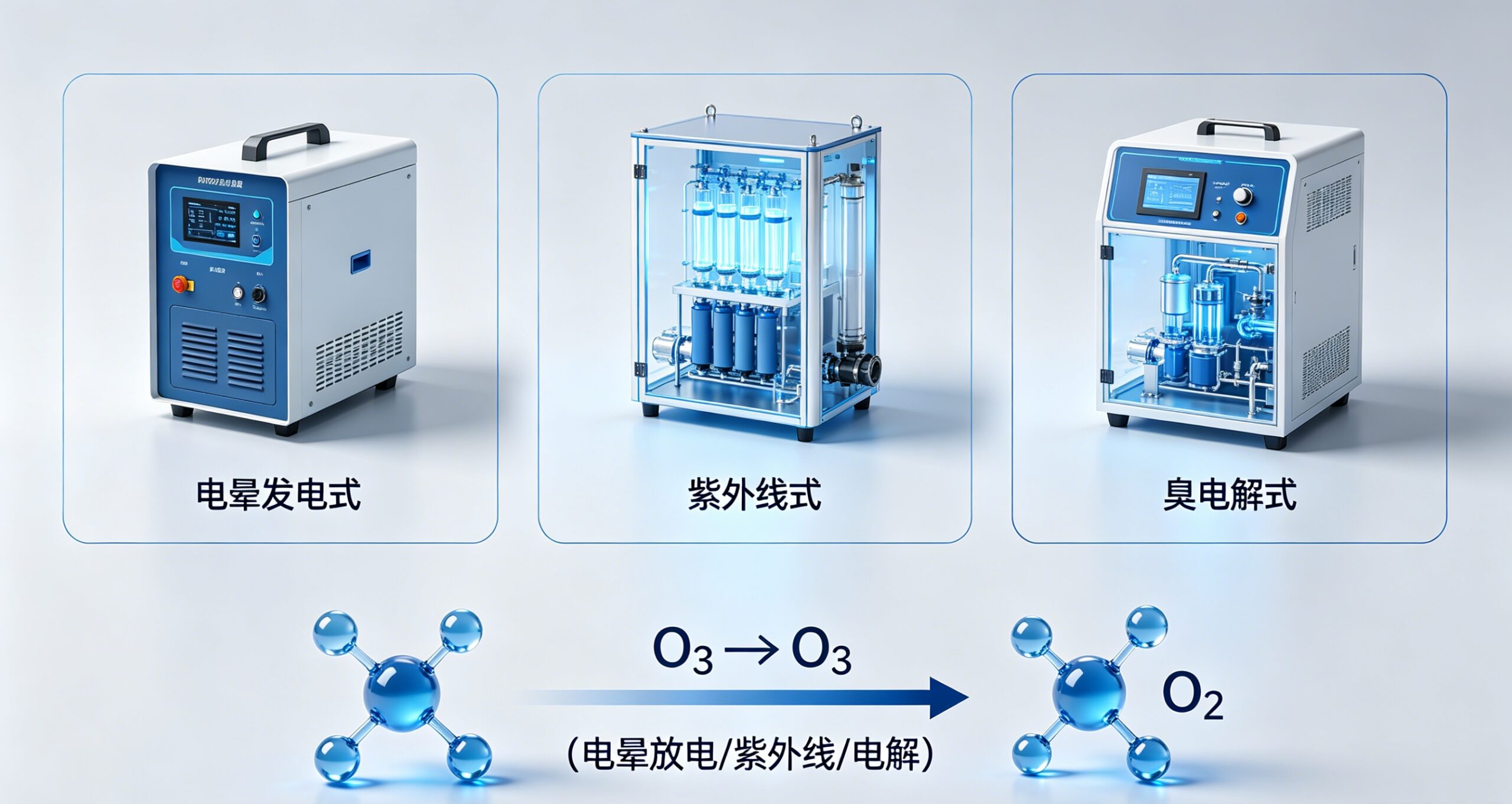
Industrially, corona discharge ozone generators are the most common. Corona discharge machines have a series of metal rods positioned between high-voltage electrodes such that when a strong electric field is created between the metal rods, a glow discharge occurs. Currently, the corona discharge ozone generators create ozone gas by breaking the O₂ molecules into individual atoms and subsequently causing the individual atoms to combine to generate ozone molecules.
For homeowners or light commercial use, UV ozone generators, which rely on UV radiation to form ozone from breaking apart O₂, provide a simple construction, low cost, and no complications associated with the process.
Electrolytic ozone generators make high purity ozone water through the electrolysis of water, producing no NO₂, and therefore can provide a high level of health at the time of disinfection of medical equipment and providing drinking water.
When it comes to inactivating bacteria, viruses, fungi, and spores using ozone’s unique oxidizing properties, the ability to destroy all types of microorganisms is remarkable. Ozone molecules enter through the cell wall, cytoplasmic membrane, and protein sheath of the microorganism and oxidize enzymes and genetic material inside the microorganism, greatly increasing the time it takes for the microorganism to become inactive. According to widely published independent study data, certified ozone generators have been shown to achieve a 99% sterility for E. coli, S. aureus, and P. aeruginosa, and can also break down formaldehyde, VOCs, and other organic contaminants present in air and/or water.
There are many possibilities for using ozone generators. When ozone generators are utilized in pollution control applications, they are also being used for: disinfecting food processing equipment; sterilizing surfaces in residential spaces; deodorizing refrigerators; and improving aquaculture water quality. In the healthcare field, the use of high purity ozone generators consistently meets the most stringent disinfection standards for medical and surgical instruments, and the proper maintenance and sterilization of environments.
A properly operated ozone generator will have controls to help prevent overvoltage or overheating in addition to providing an automatic shutoff function. Therefore, ozone generators designed for industrial and commercial use will also be able to provide features that allow for safe operation in accordance with regulatory requirements.