

Ozone Therapy: Therapeutic Mechanisms, Clinical Applications, Administration Methods and Safety Specifications

The Use of Ozone Therapy: Mechanisms, Clinical Applications and Safety Regulations
Ozone therapy consists of using ozone-O₂-O₃ gas mixtures in an adapted manner based on scientific evidence. It can be distinguished from atmospheric ozone exposure as ozone used for medicinal purposes is produced by obtaining ozone from pure medical oxygen using calibrated ozone generators that are responsible for paying attention to the parameters of the ozone concentration so that anybody can avoid negative consequences associated with spontaneous oxidation. Over the period of the past century, the method has gained popularity in complementing and integrating such branches of medicine as regenerative and anti-infectious medicinal therapies.
Essential Therapeutic Principles
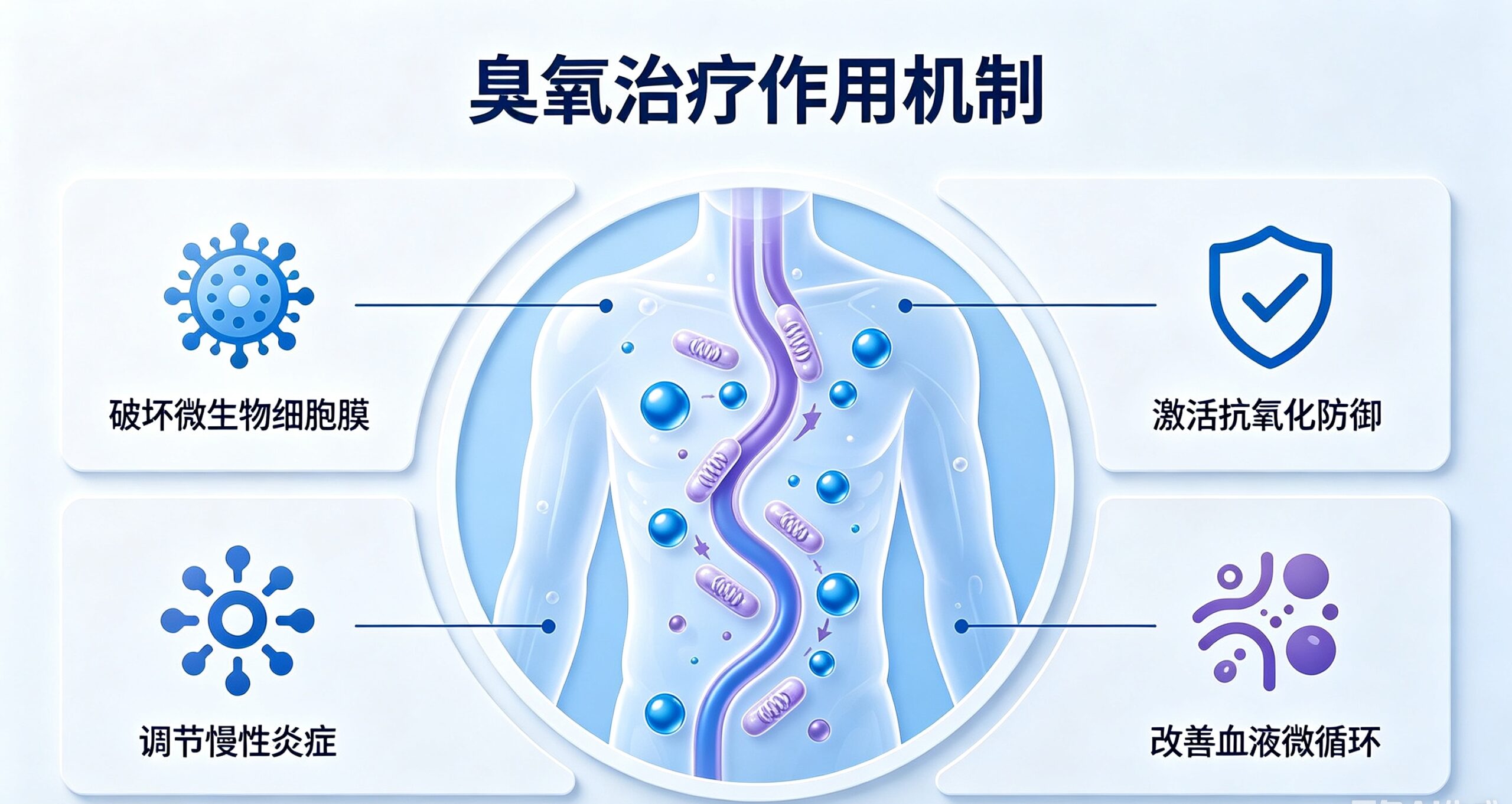
Importantly, ozone therapy relies on just a mild oxidative stress originating from its controlled doses, thereby causing several positive biological chains of events. Ozone possesses significant germicidal properties because it kills bacteria, fungi, viruses, protozoa, and other microorganisms by affecting and damaging their cell membranes as well as nucleic acid structures. Furthermore, ozone can be useful for activating the body̕s major antioxidant systems and regulating inflammation processes that develop chronically. Finally, ozone improves blood circulation through the regulation of blood cell metabolism.In wound healing, it facilitates the recovery from difficult-to-treat wounds, ulcerative lesions and fungal infections due to its properties of disinfection, debridement and improvement of microcirculation. It helps in the situations of blood circulation problems, such as diabetic angiopathy and local ischemia, by acting as an auxiliary remedy to avoid tissue hypoxia. It helps in the regulation of systemic processes and improves the state of sub-health that is caused by low immunity and chronic inflammatory diseases. In addition, it is used as an adjuvant remedy for the treatment of infectious diseases and for the regulation of metabolic processes in integrative medicine.
Standard Administration Methods
The method of administering ozone in medical practice strictly follows standardized guidelines to ensure its safety and efficiency. The main technique that is used in this procedure is the major autohemotherpay (MAH), which is one of the most widely use methods of administration. The method consists in the mixing of ozone and the patient’s blood outside the body of the patient, thereby avoiding the disadvantage of using ozone directly on the blood vessels. In addition, topical application of ozone is also used for the treatment of superficial skin wounds and disinfection of wounds. The ninisulation of ozone, including rectal and vaginal administration of ozone, is applied in the cases of mucosal inflammation.
Safety and Clinic Requirements
The standardized method of administering ozone is efficient and safe, with low chances of having negative reactions. For that, it is important to satisfy the following conditions that would ensure the safety of the procedure. Among them, the use of ozone-generating machines, the safety of ozone in various concentrations and exclusion of patients with some contraindications, including those who suffer from oxidative stress disease, serious blood clotting disorder and acute organ failure, is crucial. High concentrations ozone should be avoided, because improper use can lead to irritation of tissues.